Discover how your pet's diet impacts dental health daily. Learn about dental diets, feeding schedules, and proactive monitoring to prevent plaque and tartar buildup.

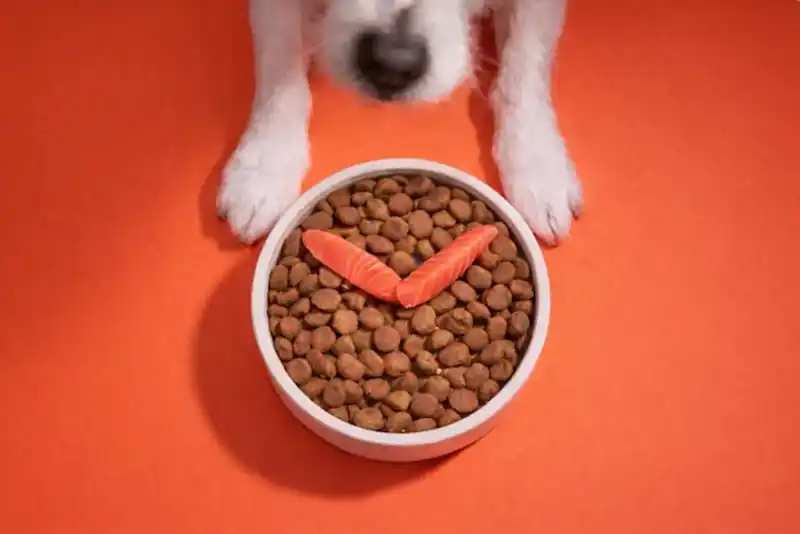
When we think about our pet's dental health, the mind usually jumps to the end of the line: the professional cleaning, the scaling, or the struggle of an evening toothbrushing session. However, the mouth is a living, 24-hour ecosystem, and the most consistent influence on that environment is whatever lands in the food bowl. While we often view a meal simply as fuel, it actually serves as a daily intervention that can either feed the bacterial biofilm known as plaque or help disrupt it before it hardens into permanent tartar.
Plaque is a far more sophisticated adversary than most realize. It isn't just "food gunk"; it is a complex colony of bacteria that begins to organize on the tooth surface within hours of eating. If left undisturbed, this soft film reacts with the minerals in your pet's saliva to undergo a process called mineralization. Within just a few days, it transforms into rock-hard tartar that no amount of crunching or brushing can remove. This is why the conversation around nutrition is so vital - it's about managing that bacterial balance every single day.
There is a long-standing belief that dry kibble naturally "brushes" a pet's teeth, but the reality is a bit more nuanced. Most standard kibbles are designed to shatter the moment a tooth hits them, which provides very little mechanical cleaning at the gum line where it's needed most. It's similar to how a human eating a cracker doesn't replace the need for a toothbrush.
However, specifically engineered dental diets change the game by focusing on texture and size. These kibbles are often larger and contain a fibrous matrix that doesn't crumble instantly. Instead, the tooth sinks into the kibble, allowing the fibers to gently scrub the surface as the pet chews. When combined with ingredients like polyphosphates, which bind to the calcium in saliva to slow down the hardening of plaque, the food becomes a functional tool rather than just a meal.
It isn't just what is being eaten, but how the feeding routine is structured. We frequently see more significant dental challenges in pets that "free-feed," or have access to a bowl all day long. This constant grazing keeps the mouth's pH levels in a state that favors bacterial growth, essentially providing a 24/7 buffet for plaque. By moving to scheduled mealtimes, you allow the mouth's natural defenses and saliva to rebalance and "rinse" the environment. Similarly, ensuring constant access to fresh water is a simple but effective way to help clear away loose debris before it can contribute to the biofilm.
Even with a perfect diet, some pets are simply more prone to dental issues due to their genetics or the shape of their mouths. Because our pets are experts at hiding discomfort, dental disease often goes unnoticed until it reaches a painful stage. This is why bridge-tools like PerkyPet AI are becoming such a staple for proactive pet parents.
By using simple smartphone photos and AI-driven analysis, you can get a "look under the hood" between your scheduled check-ups. It allows you to track the subtle transition from a healthy pink gum line to the early stages of redness or plaque accumulation. Having a visual history of your pet's oral health doesn't just give you peace of mind; it empowers you to have much more informed, data-backed conversations with your professional care team before a small issue becomes a major procedure.
Ultimately, maintaining a healthy mouth is a marathon, not a sprint. A thoughtful combination of the right textures, smart feeding habits, and consistent monitoring ensures that your pet stays comfortable, their breath stays fresh, and their overall wellbeing is protected for years to come.